When couples search for a Lake District wedding photographer, the first comparison is often price. That’s completely understandable. What’s far less visible is where that money actually goes and what separates careful, professional wedding photography from work that only looks acceptable at first glance.
This post explains how I work, what I prioritise, and why those details matter long after the wedding day itself.
1. Removing distractions, not just taking photos
Every wedding venue has them: fire exit signs, emergency lighting, wall boxes, stray reflections. They are legally required to be there, but they don’t need to dominate your wedding photographs.
I routinely remove these elements during post production. It’s slow, precise work that has to be done carefully so walls still look natural and light still behaves properly. This happens after the wedding, when most people assume the job is finished.
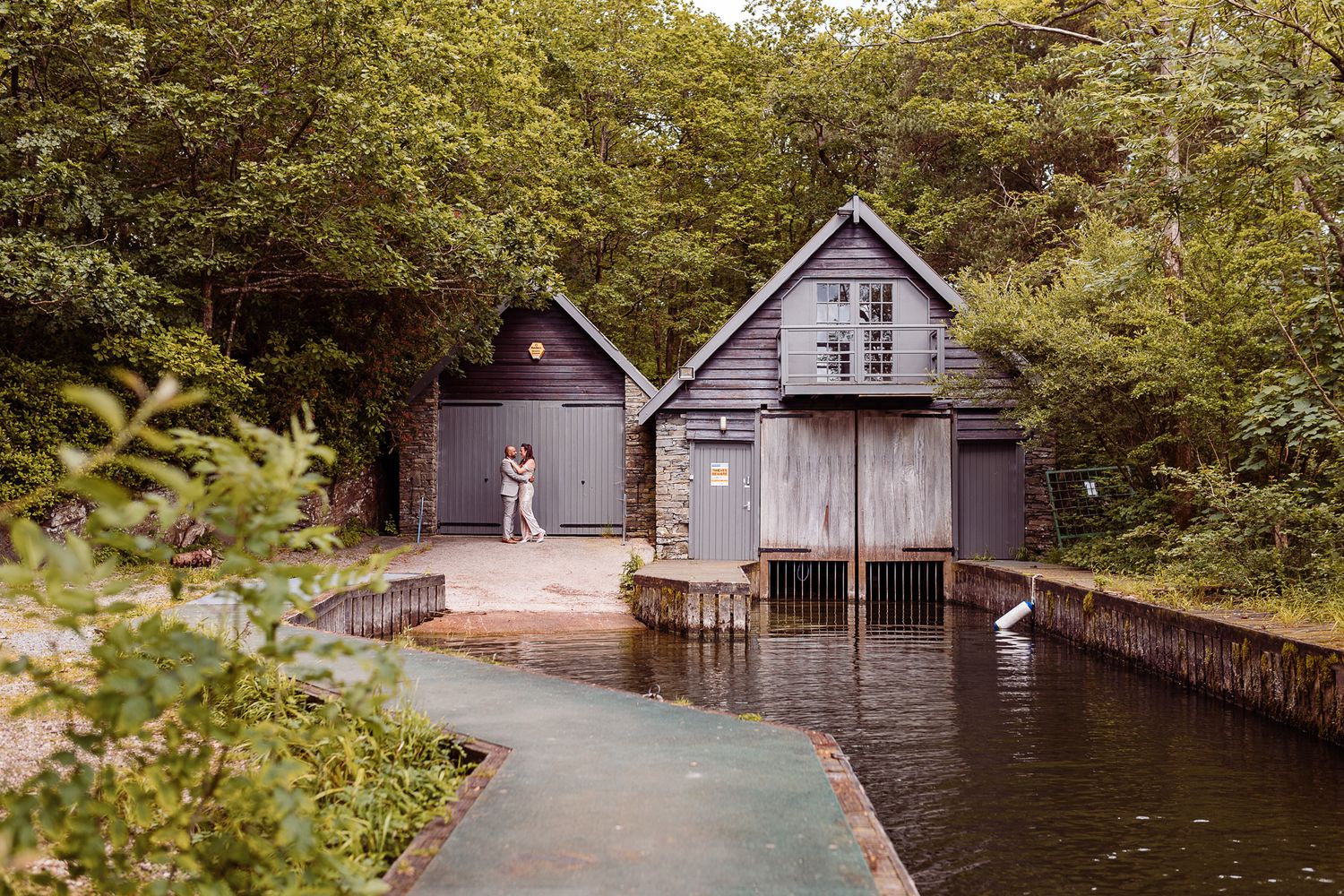
Original frame with distractions
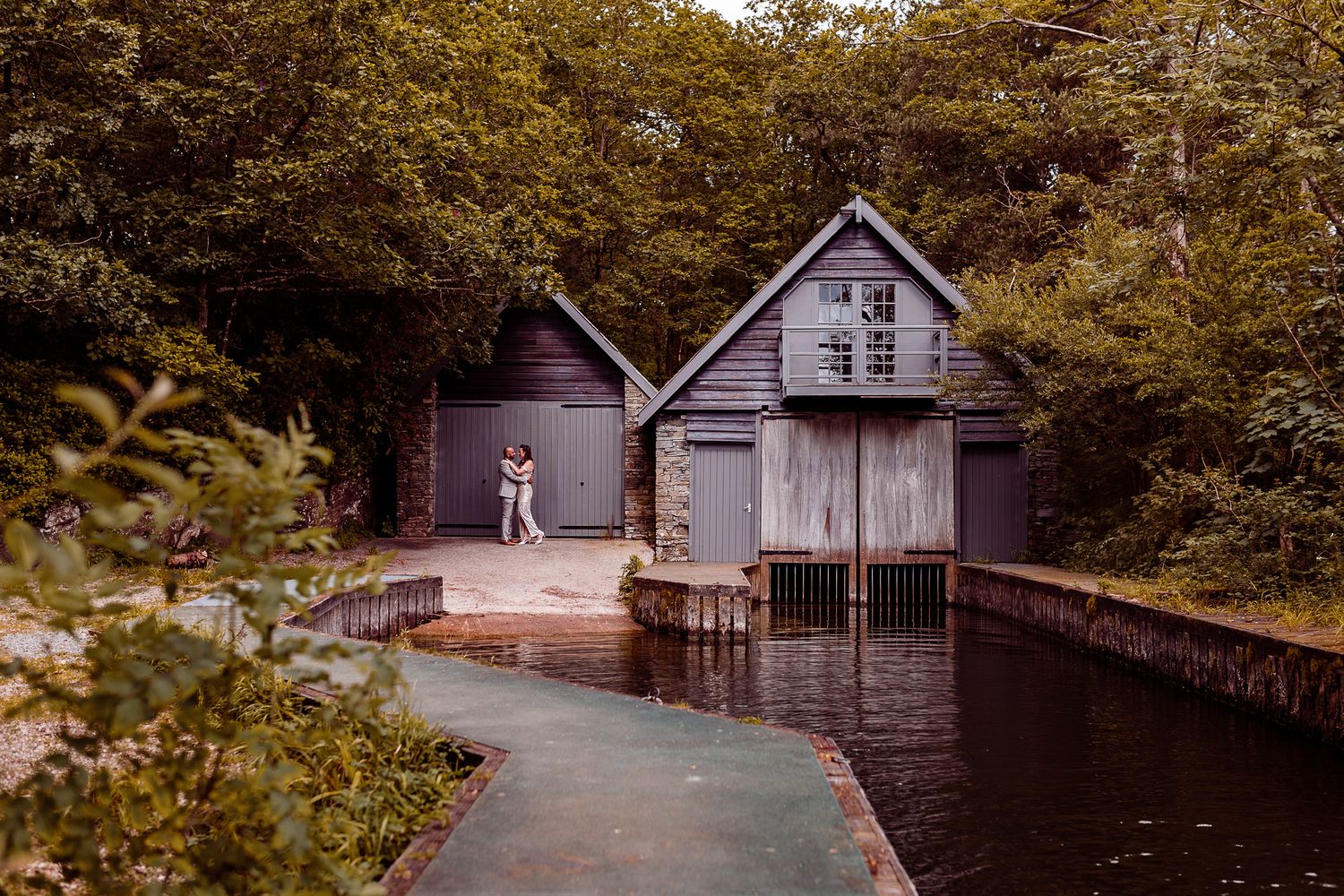
Final edit with distractions removed
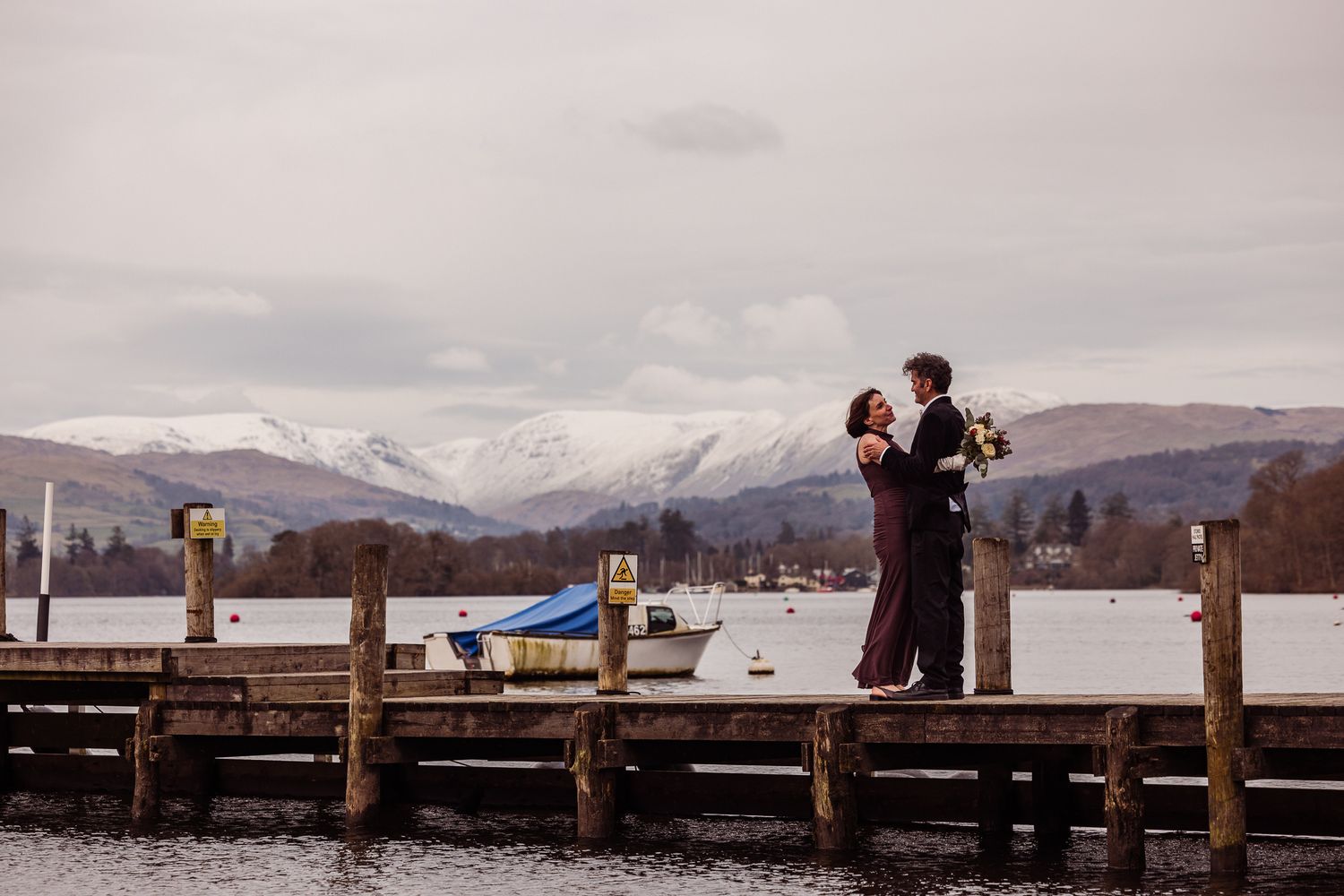
Original frame with distractions
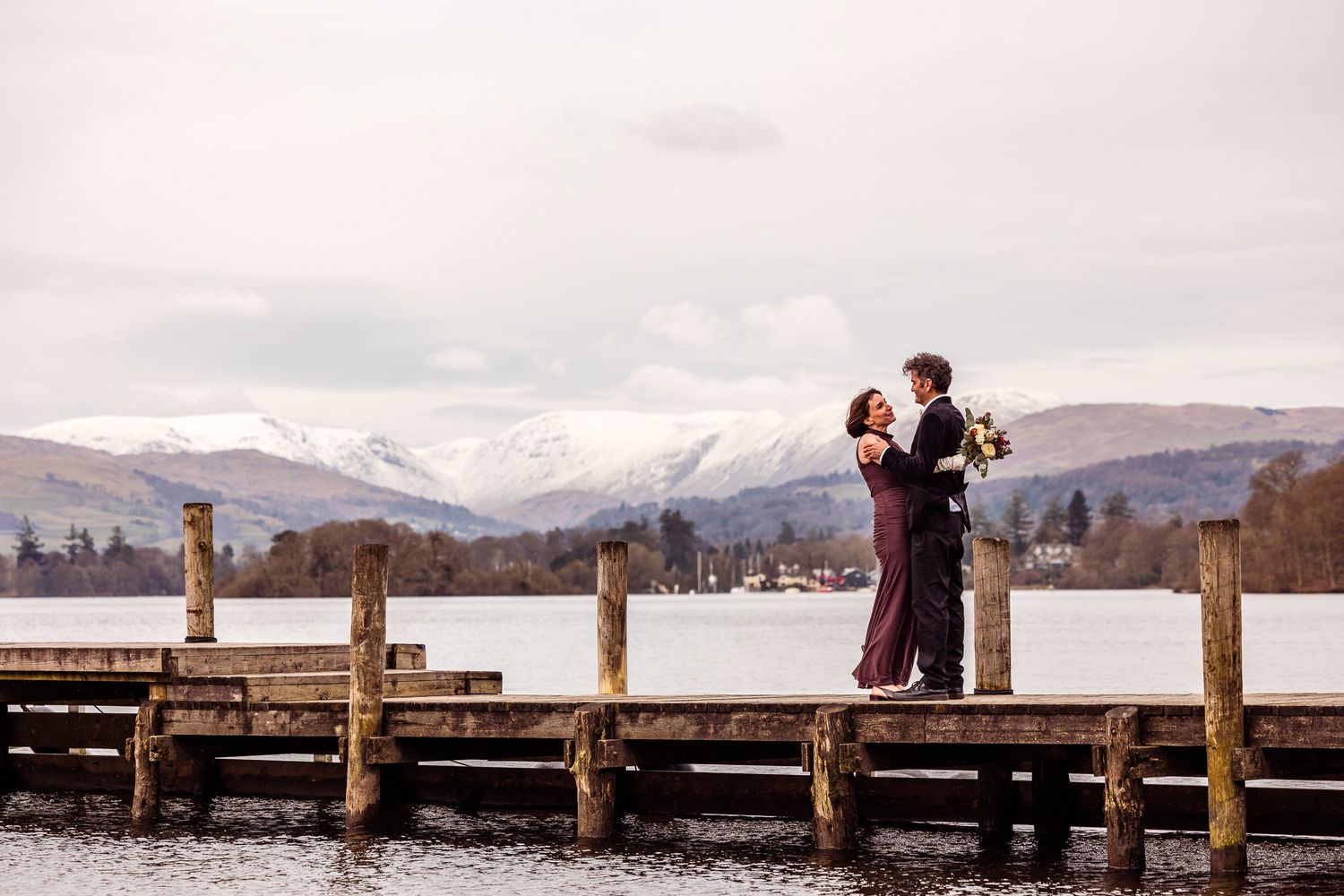
Final edit with distractions removed
Cheaper wedding photographers often leave these distractions in place. Not because they don’t see them, but because removing them properly takes time, experience, and patience.
My aim is always to simplify the frame so your attention stays on the people and the moment, not whatever happens to be bolted to the wall or distracting in the background.
2. Straight horizons and balanced composition
This might sound obvious, but it isn’t universal.
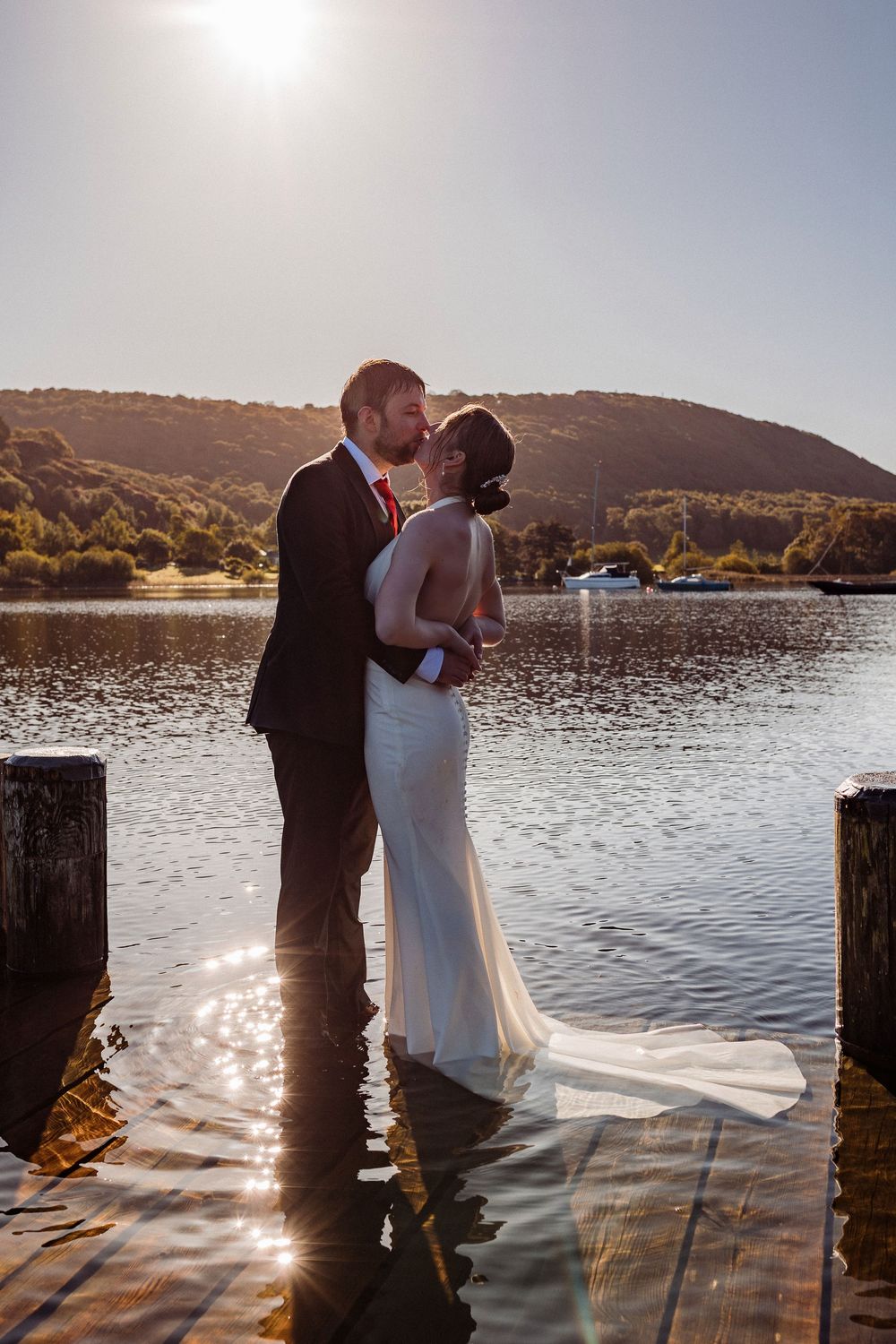
If there’s water in a photograph and the horizon is tilted, it feels wrong. Water should not look like it’s running out of the image. Even a slight lean can make a photograph feel unsettled, especially when images are viewed together in an album.
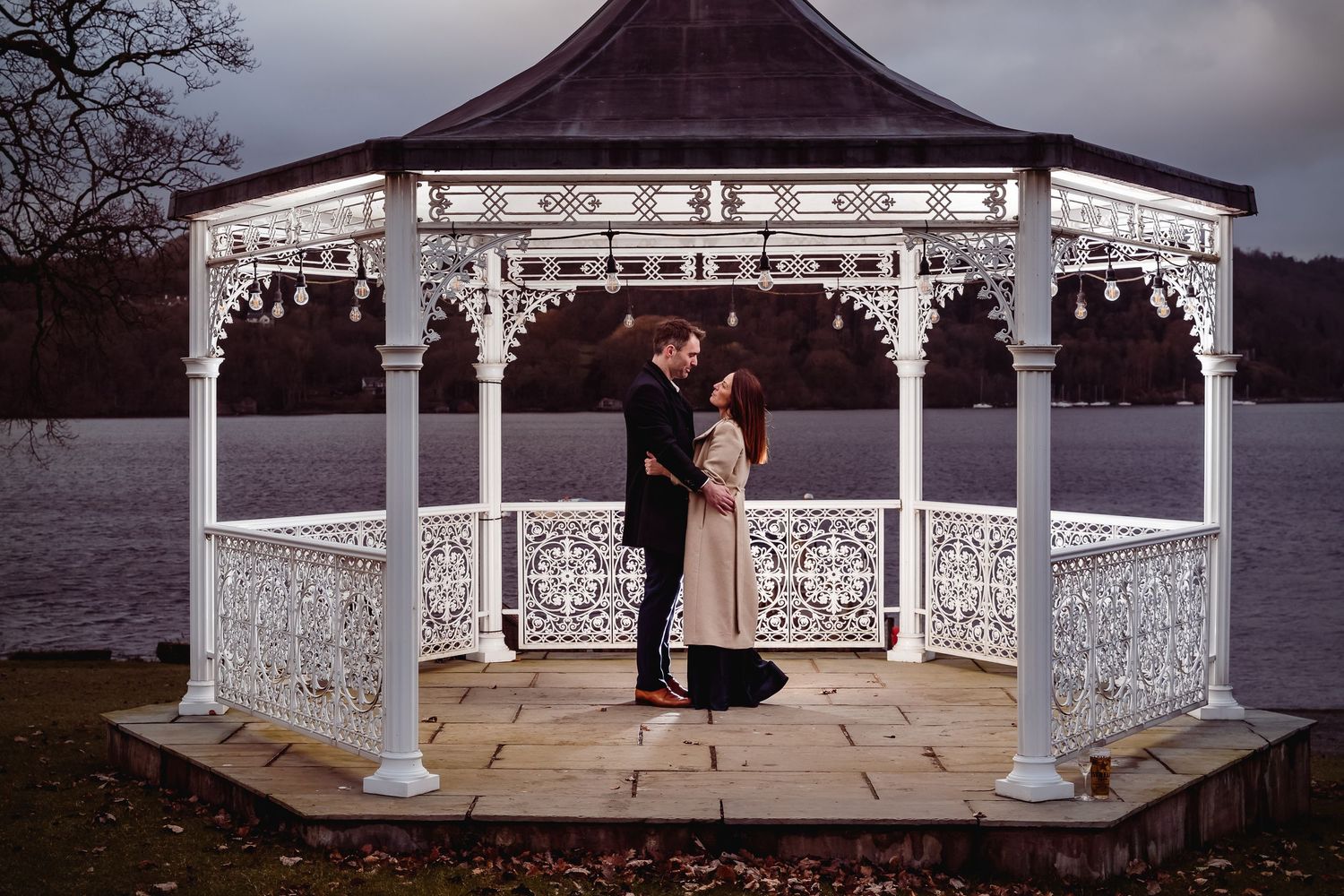
Straight horizon and balanced line
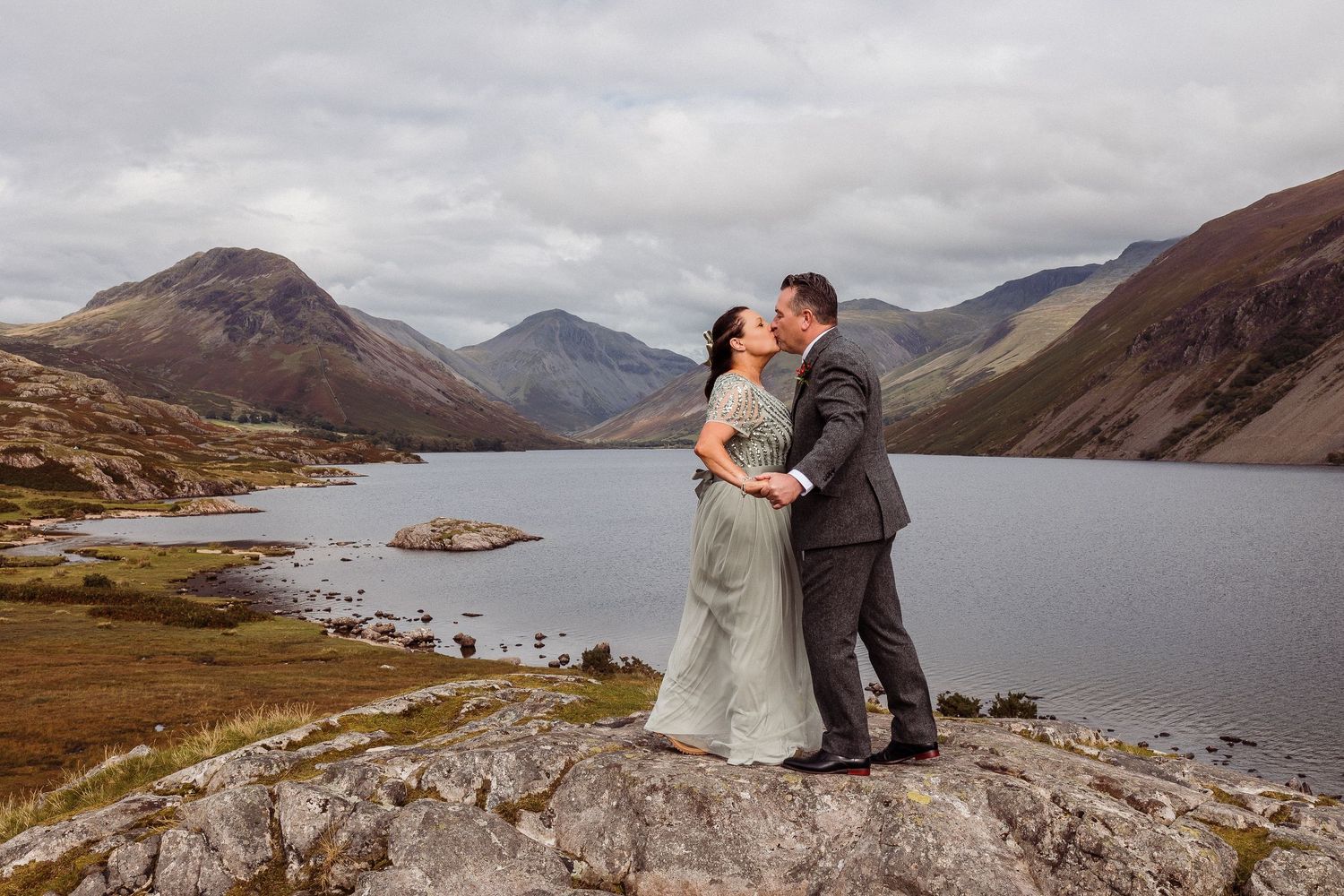
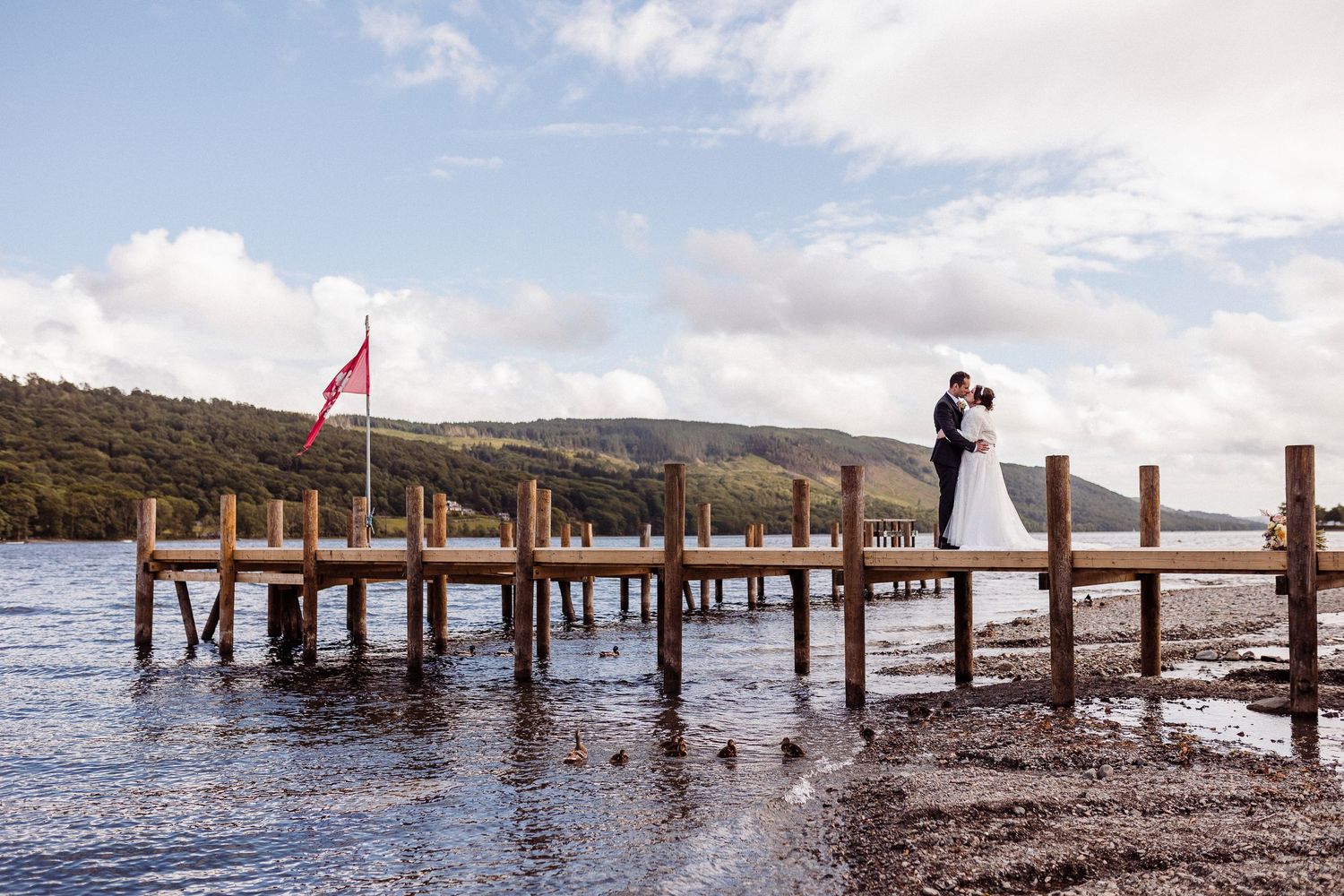
“Water shouldn't look like it’s running out of the photograph”
I am meticulous about alignment and balance. Horizons are straight. Vertical lines stay vertical. These are small corrections, but they create photographs that feel calm, intentional, and considered.
3. Shooting in RAW and protecting the highlights
I shoot exclusively in RAW and expose for the highlights. This means preserving detail in skies, dresses, and lighter areas of the scene.
You won’t see lifeless white skies in my work. Once highlight detail is gone, it cannot be recovered. This is something that must be handled at the moment of capture, not patched over later with presets.
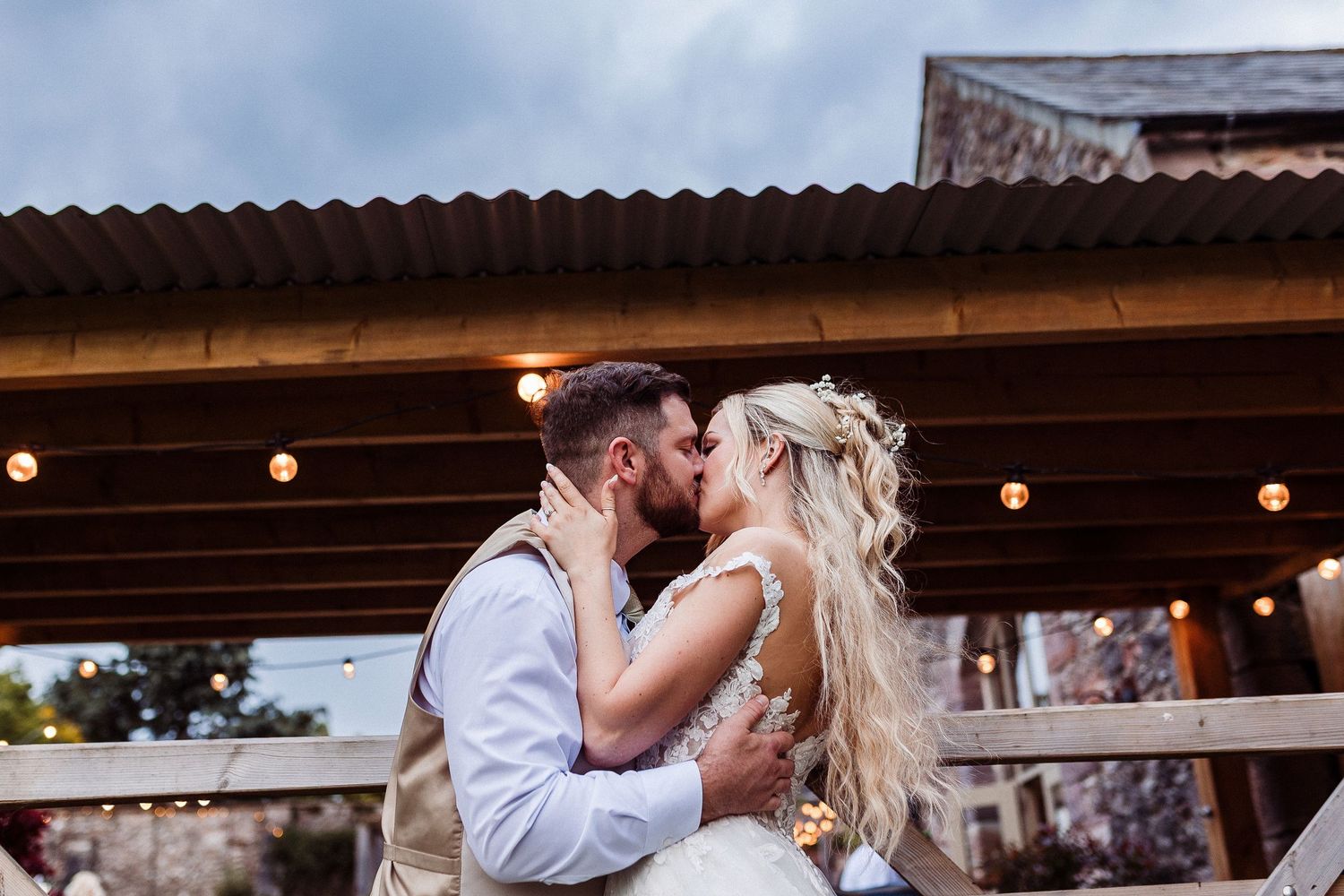
RAW capture with preserved sky detail
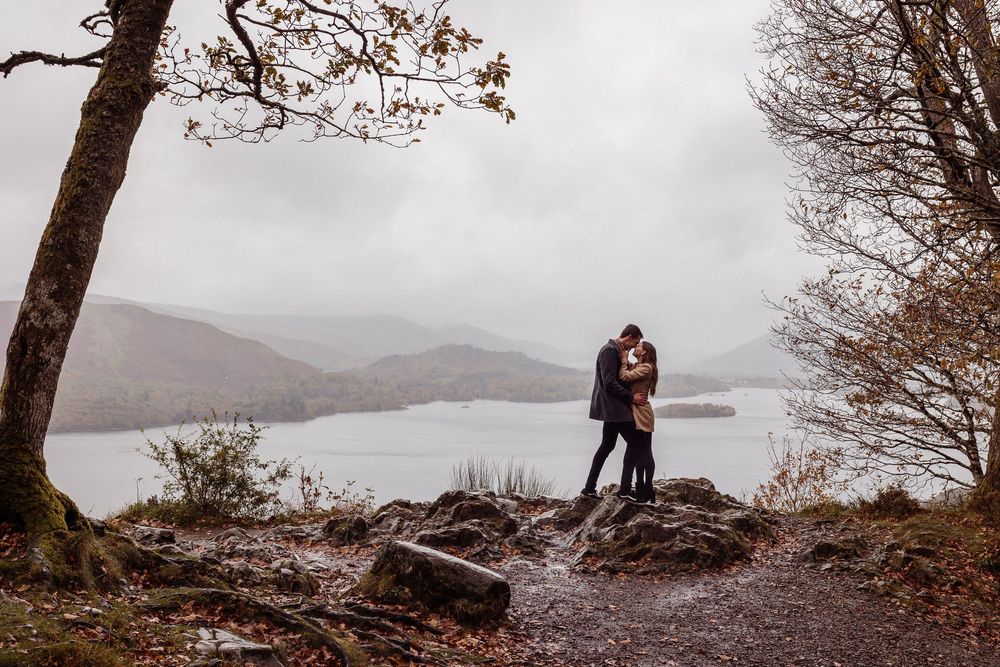
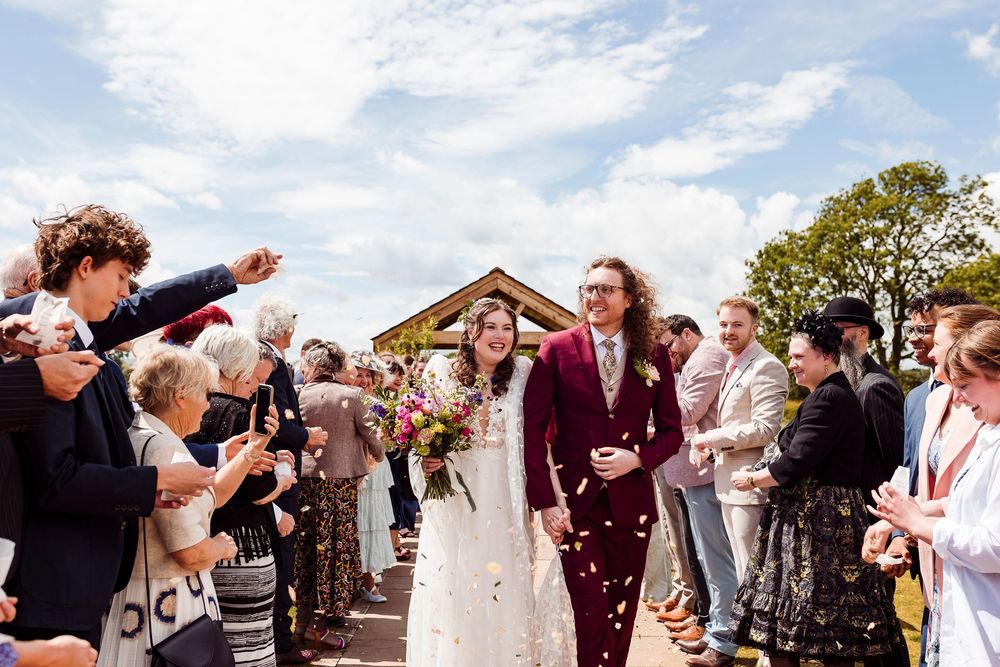
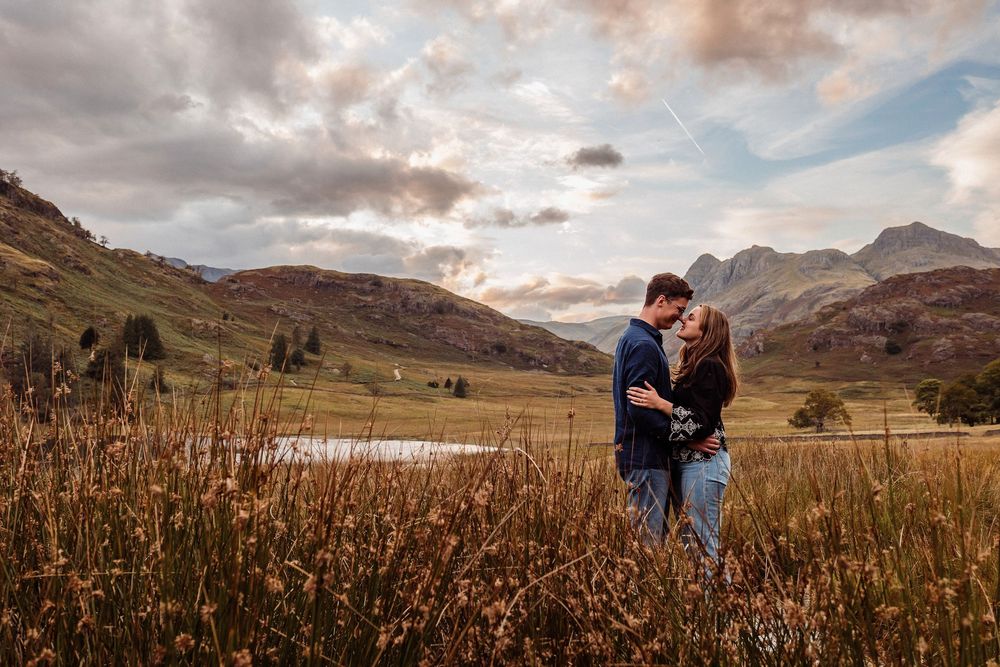
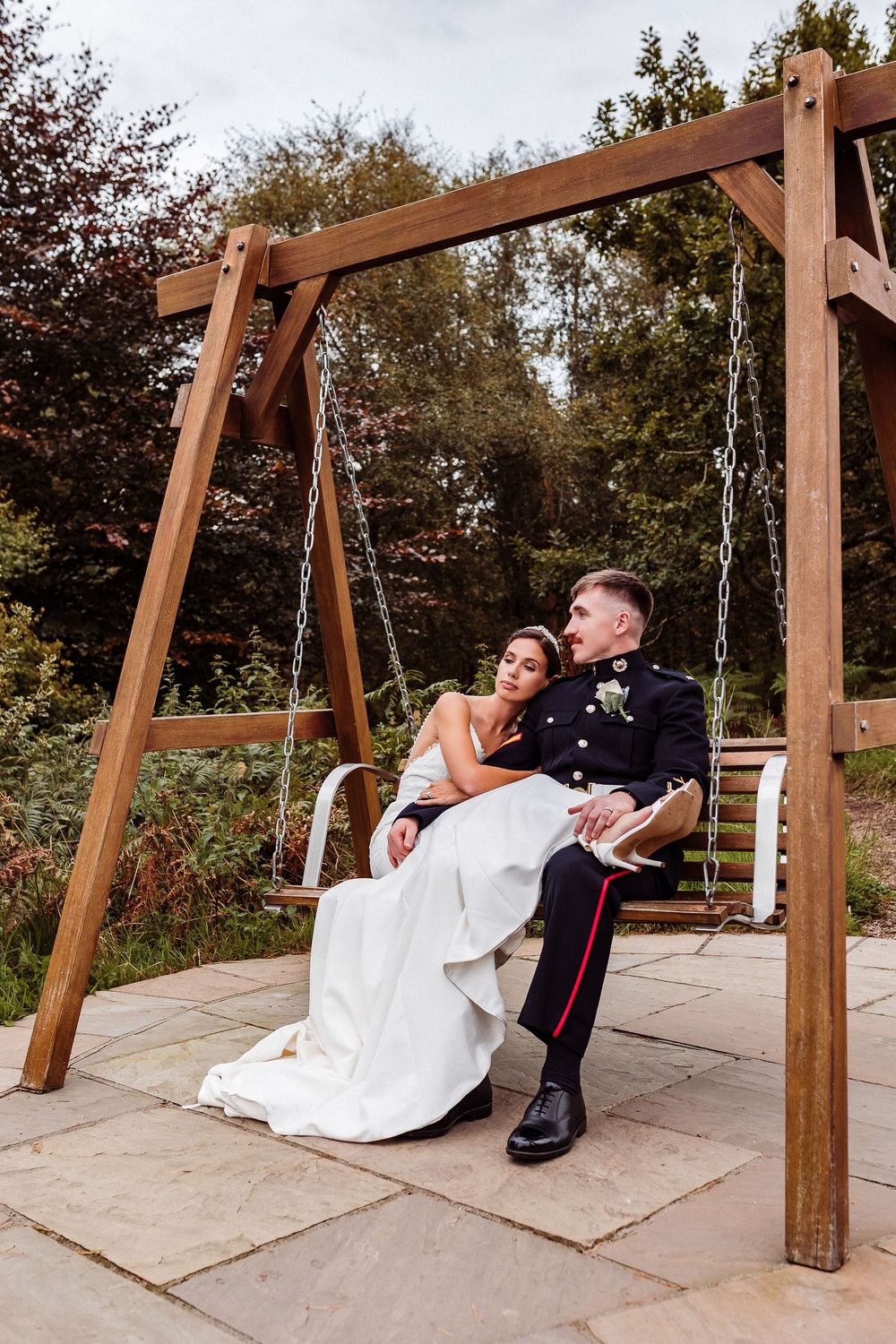
Blown out skies are a common sign of rushed shooting or inexperience. It usually means the photographer wasn’t paying attention, didn’t understand dynamic range, or didn’t slow down enough to get it right.
4. Consistency across the entire wedding
As an experienced Lake District wedding photographer, one of the biggest differences between professional and amateur work that I notice is consistency.
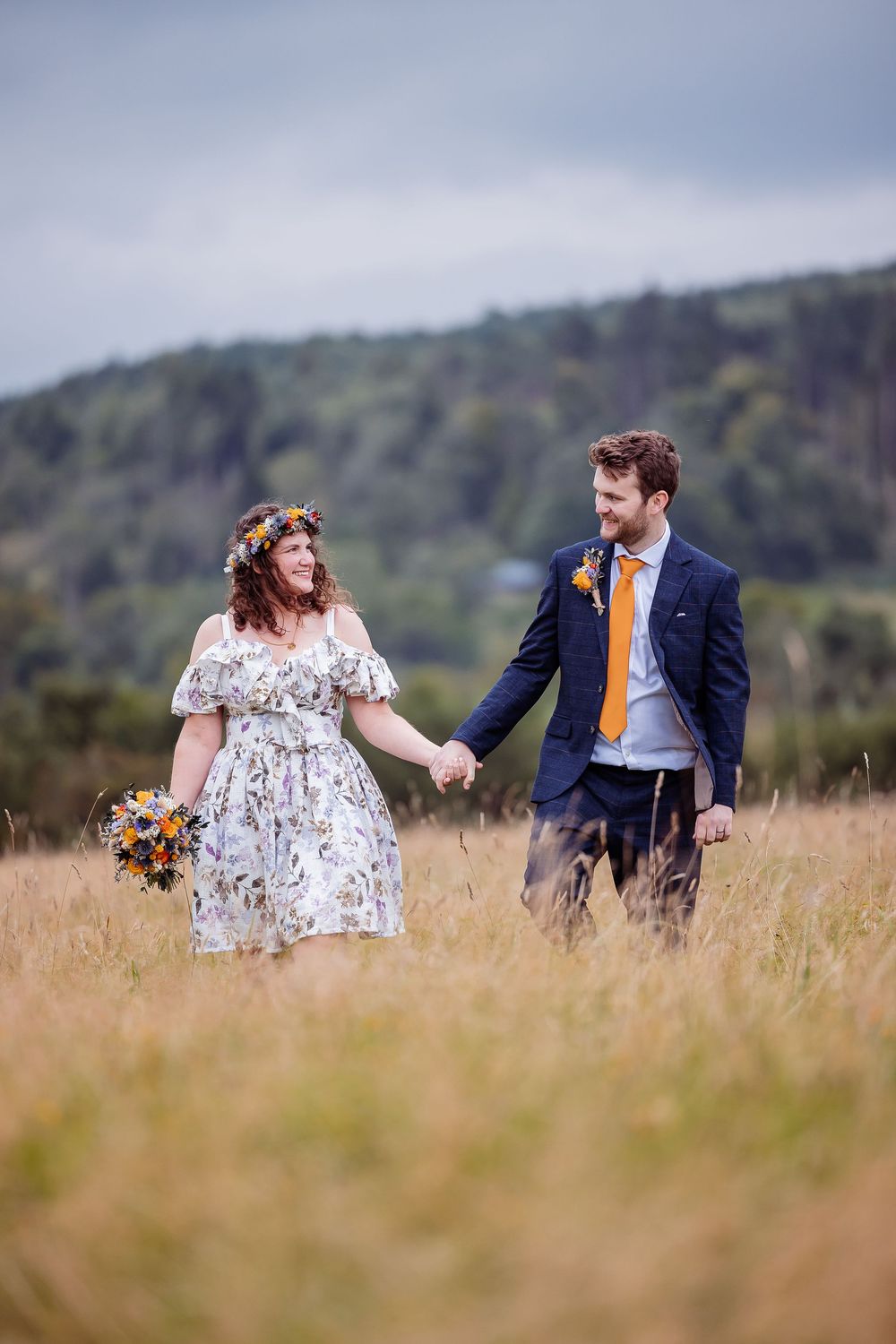
If you lay my images out side by side, as you would in a wedding album, they belong together. The tones match. The colours feel cohesive. Skin tones remain natural and consistent throughout the day.
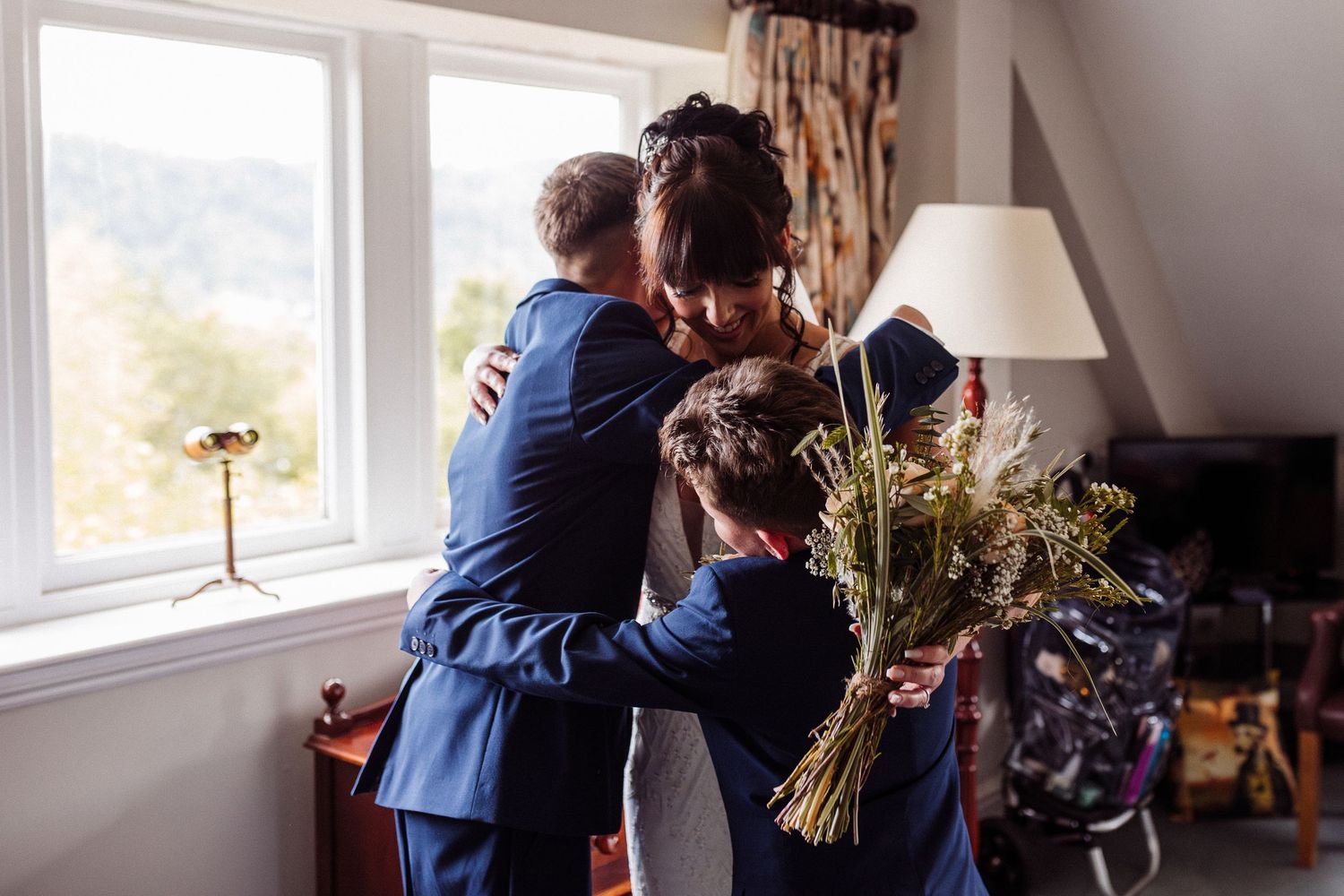
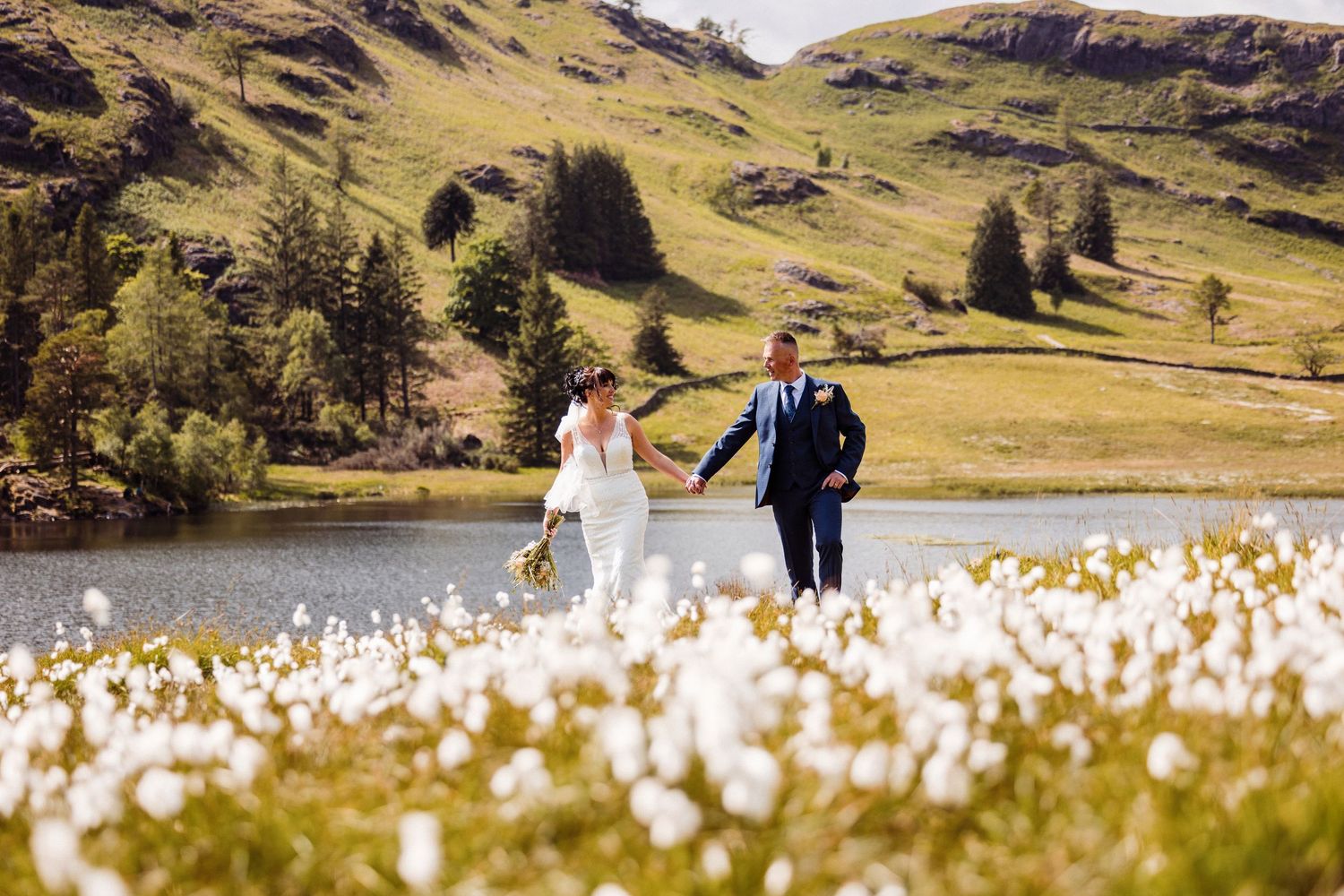
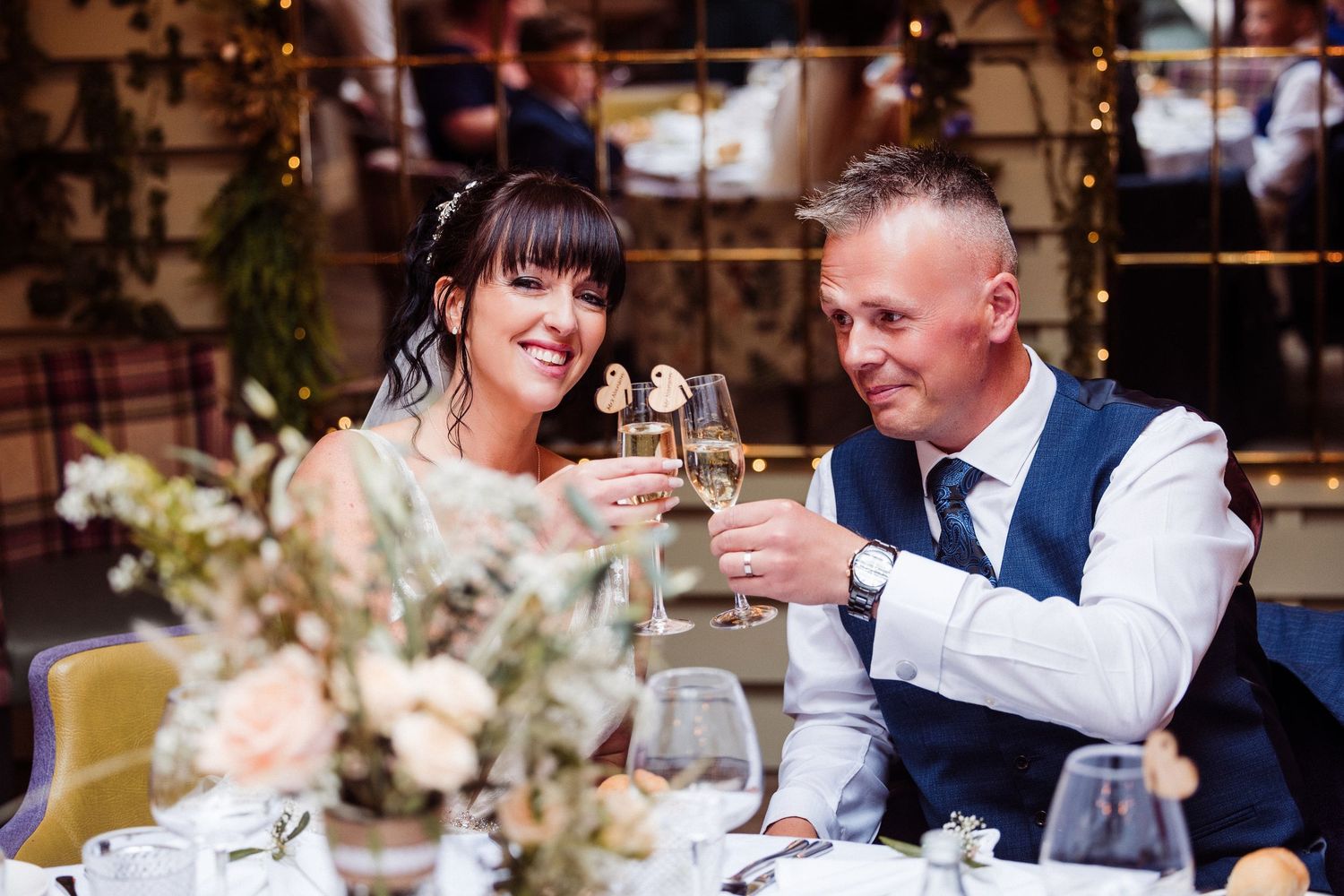
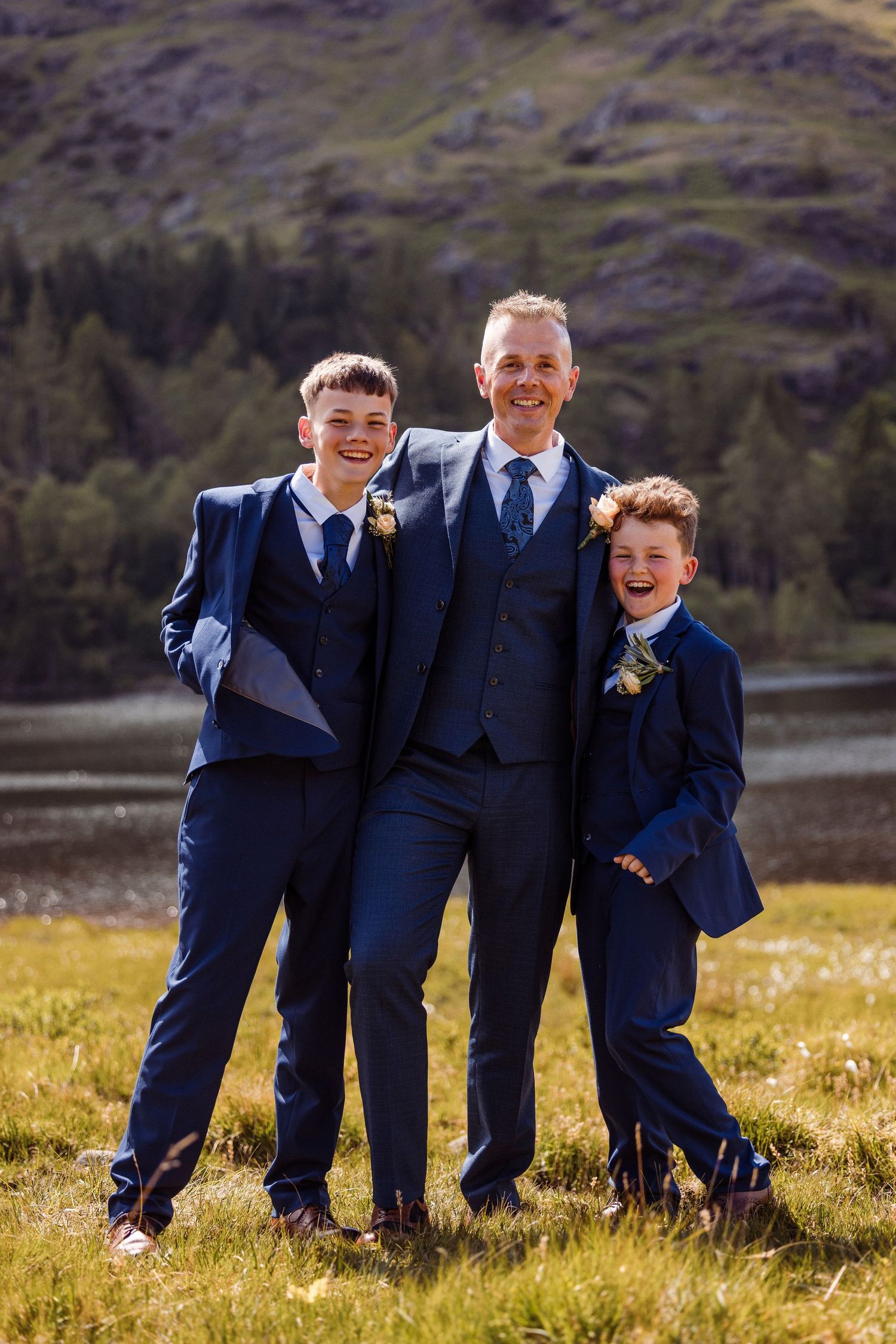
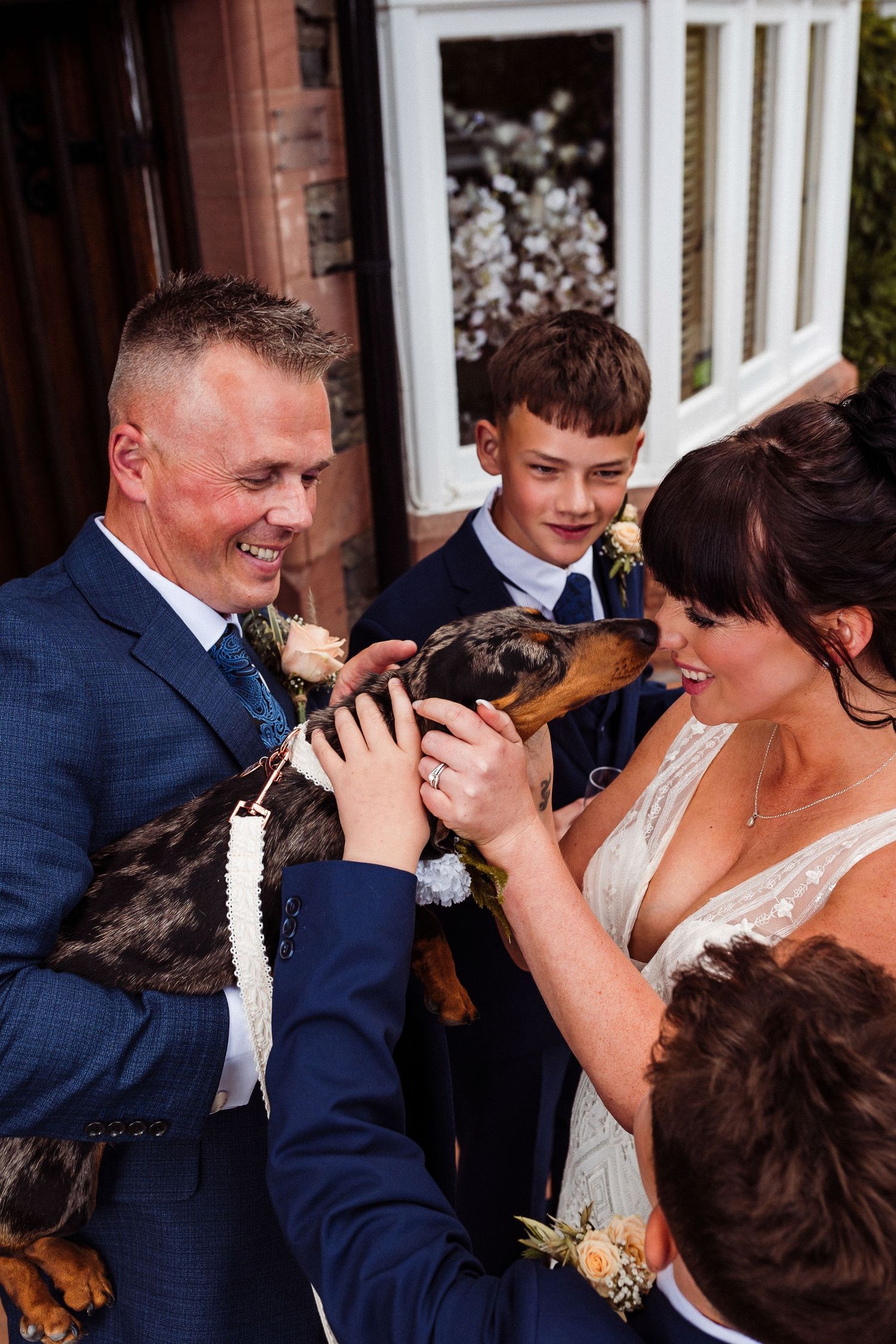
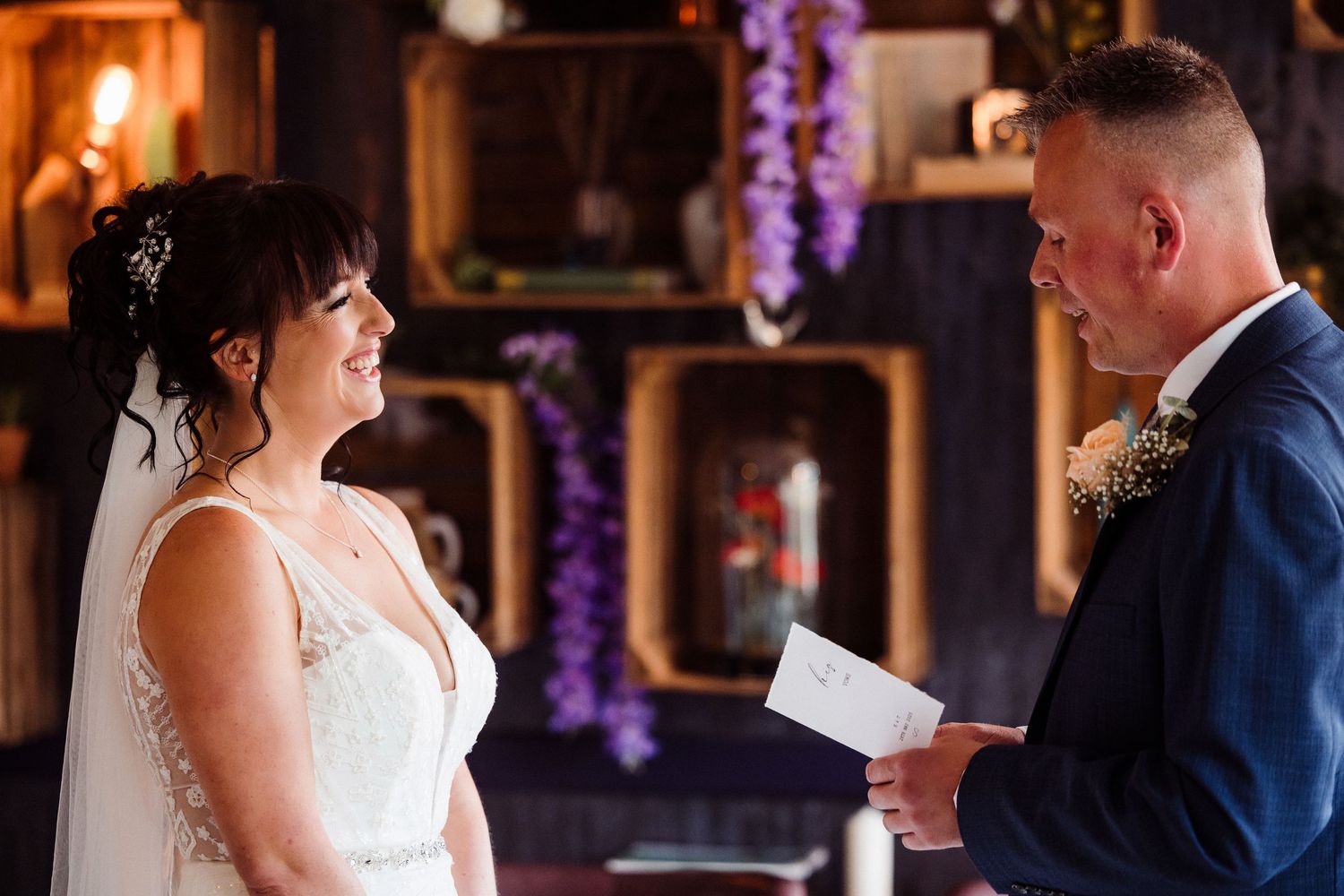
Amateur photography often looks disjointed. One image is warm, the next is cold. One is contrasty, the next is flat. Individually they may look fine, but together they don’t tell a smooth story.
My editing is deliberately controlled so the wedding reads as a complete, coherent visual record from start to finish.
5. What separates a good photographer from a bad one
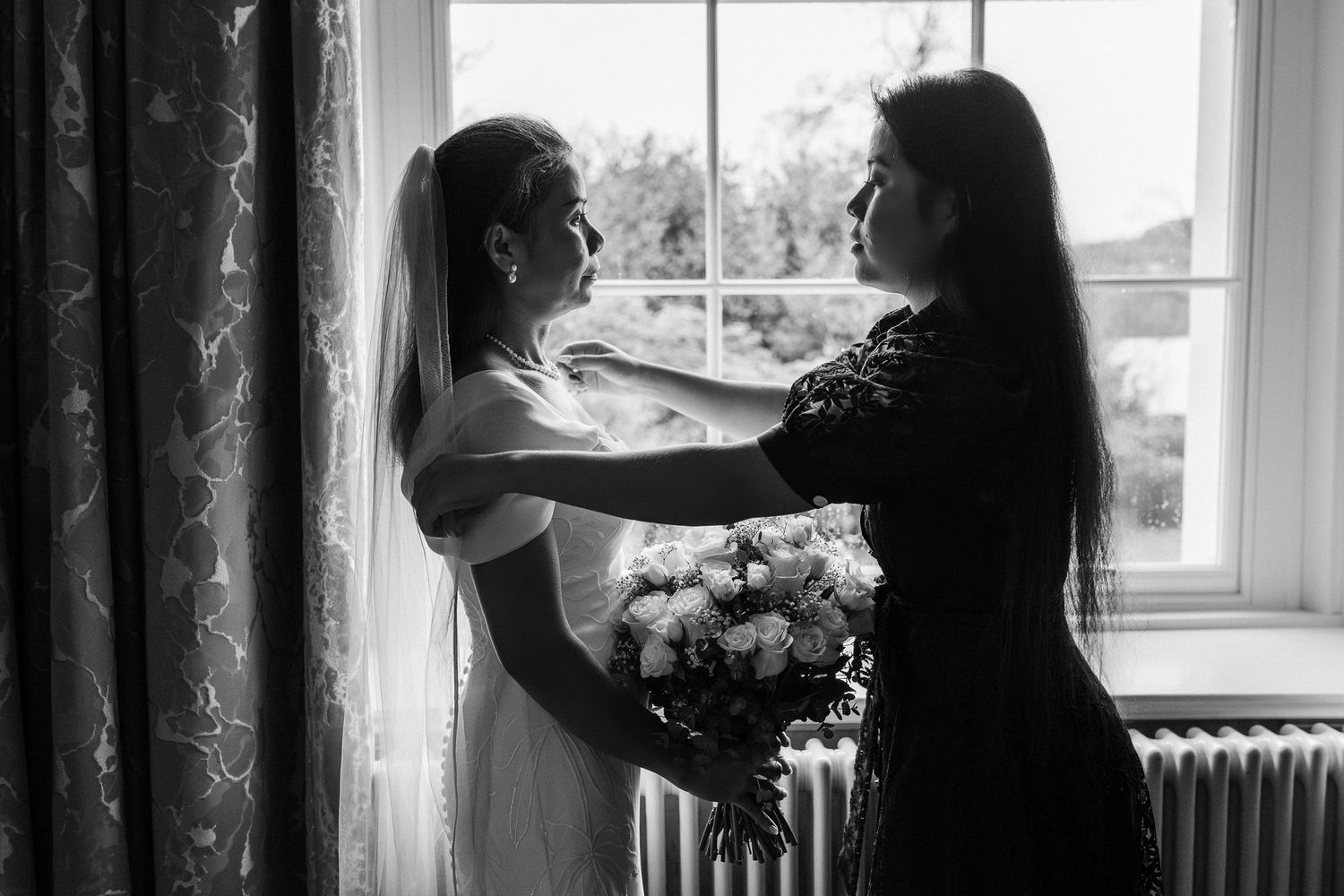
It isn’t the camera.
It’s awareness, experience, and care.
A good wedding photographer notices distractions before pressing the shutter. They expose with intention. They straighten lines. They edit with restraint. They understand how images work together, not just in isolation.
A bad photographer delivers quickly, edits inconsistently, and moves on. The issues only become obvious later, when the excitement has faded and the photographs are all that remain.
6. Where the money actually goes in wedding photography
When you invest in professional wedding photography, you are not paying for the hours on the day alone.
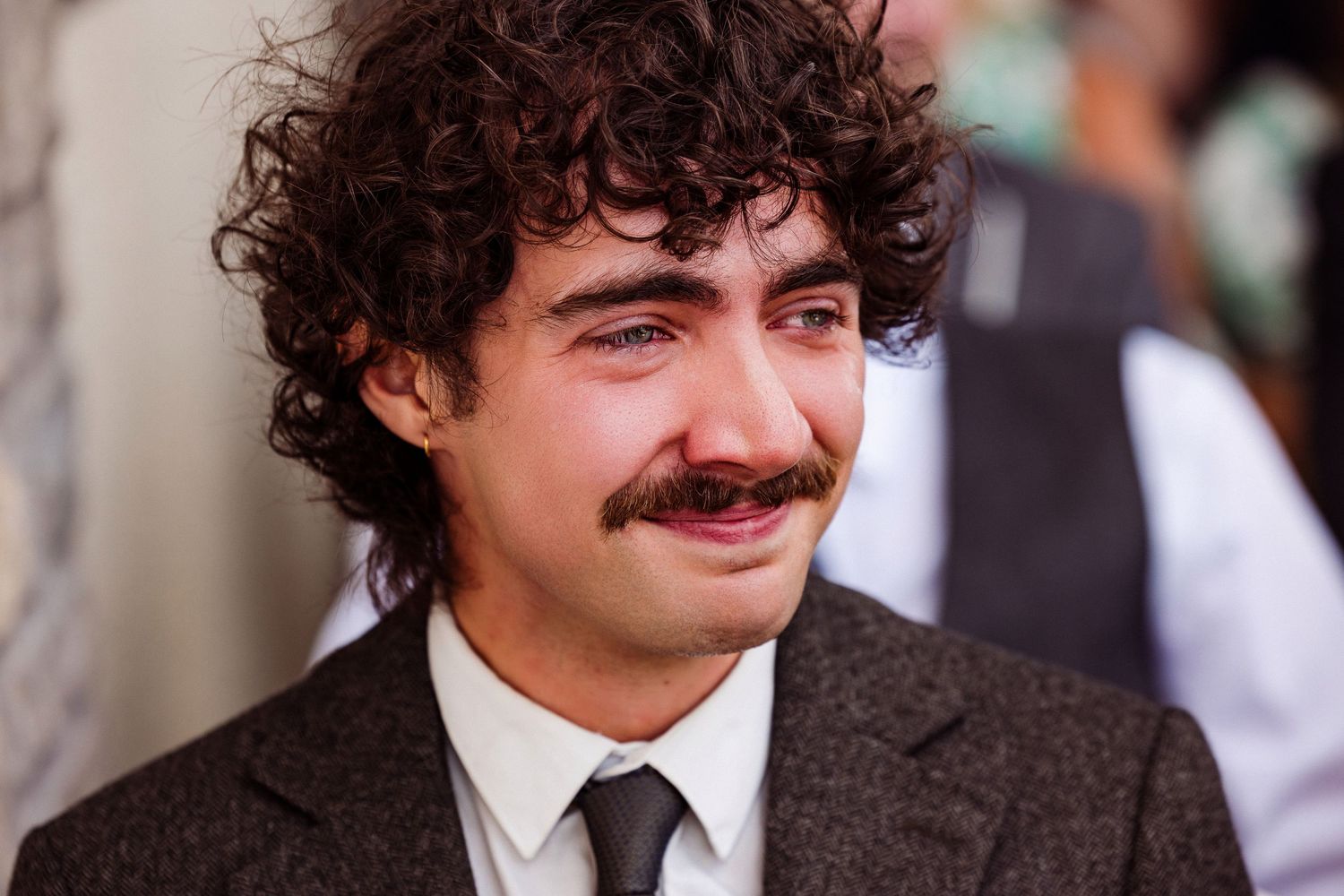
You are paying for:
- Years of experience and refinement
- Careful shooting under pressure
- A deep understanding of light and composition
- Many hours of detailed post production
- Consistent colour and tonal work across the full set
- Images that hold up together, not just individually

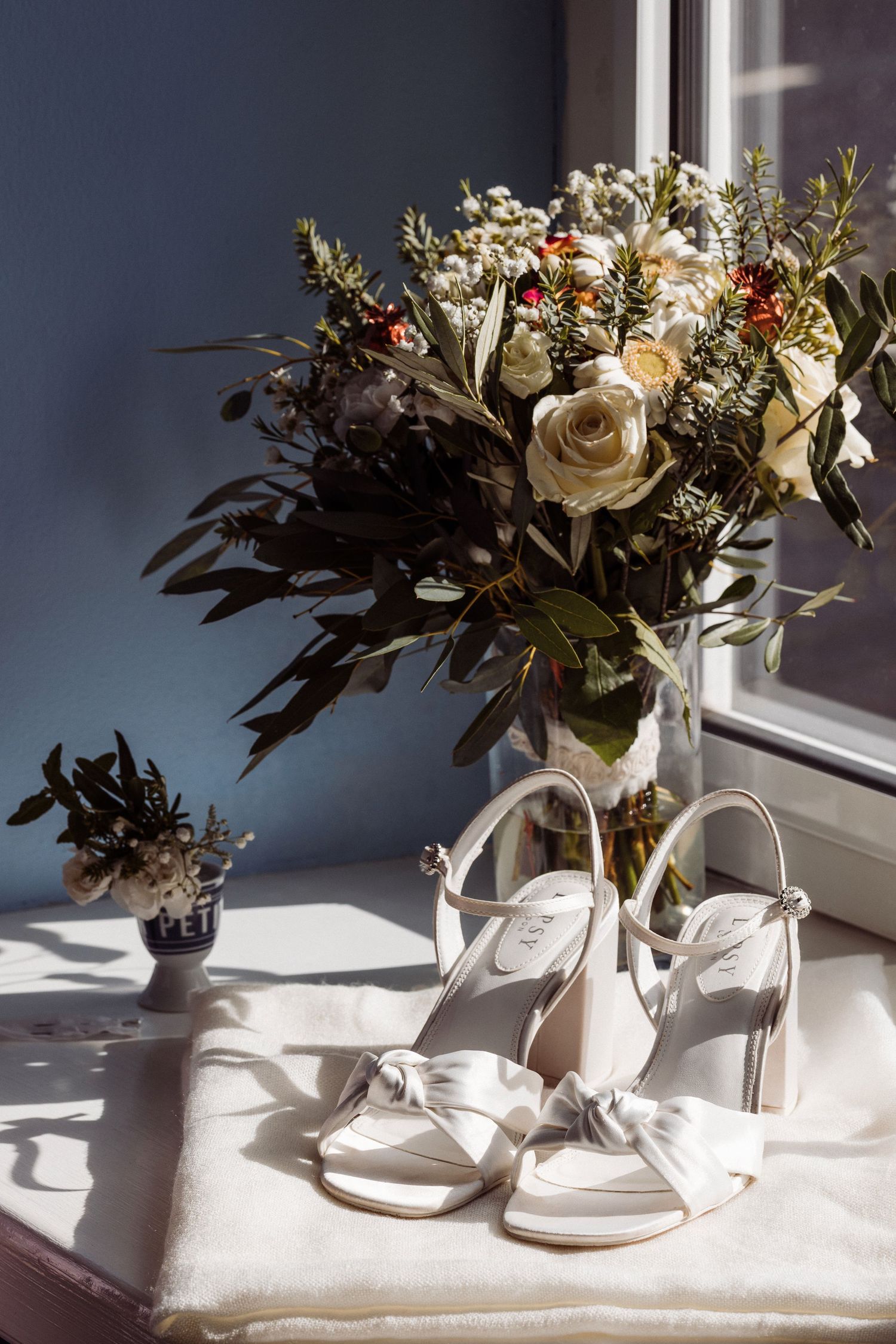
"Most of the work happens quietly after the wedding. That is where the real difference is made."
Final thoughts
Wedding photography isn’t just about being present. It’s about noticing, correcting, and caring enough to do the extra work most people never see.
That is how I approach every wedding I photograph in the Lake District and beyond.
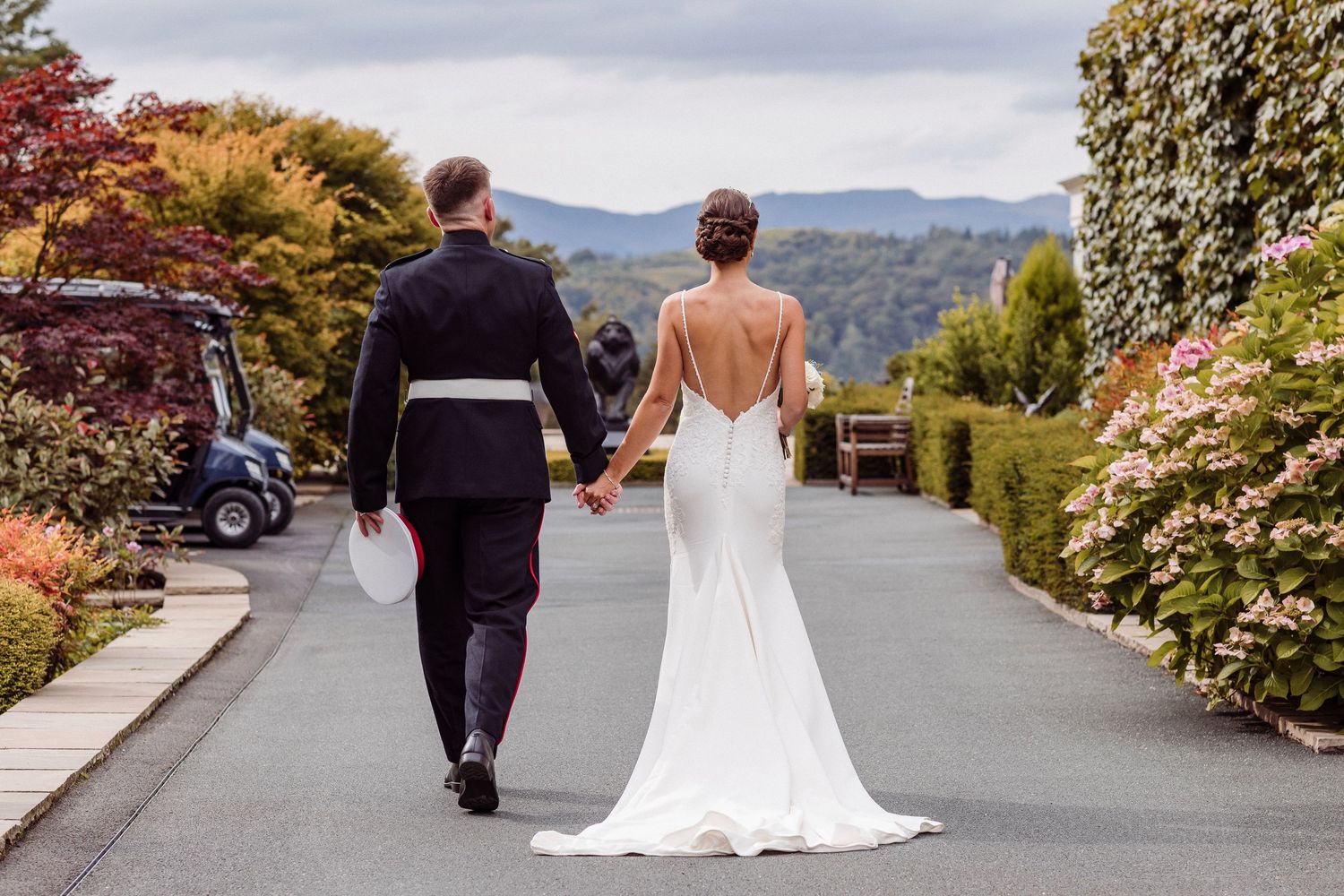
Thinking about your own wedding photography?
If consistency, careful editing, and photographs that stand the test of time matter to you, you can:
- View my recent work
- Read more about wedding photography pricing
- Read my FAQs to understand how I work
- Get in touch to check availability and talk through your plans
Good photography should feel effortless when you look at it. That effort happens behind the scenes.
